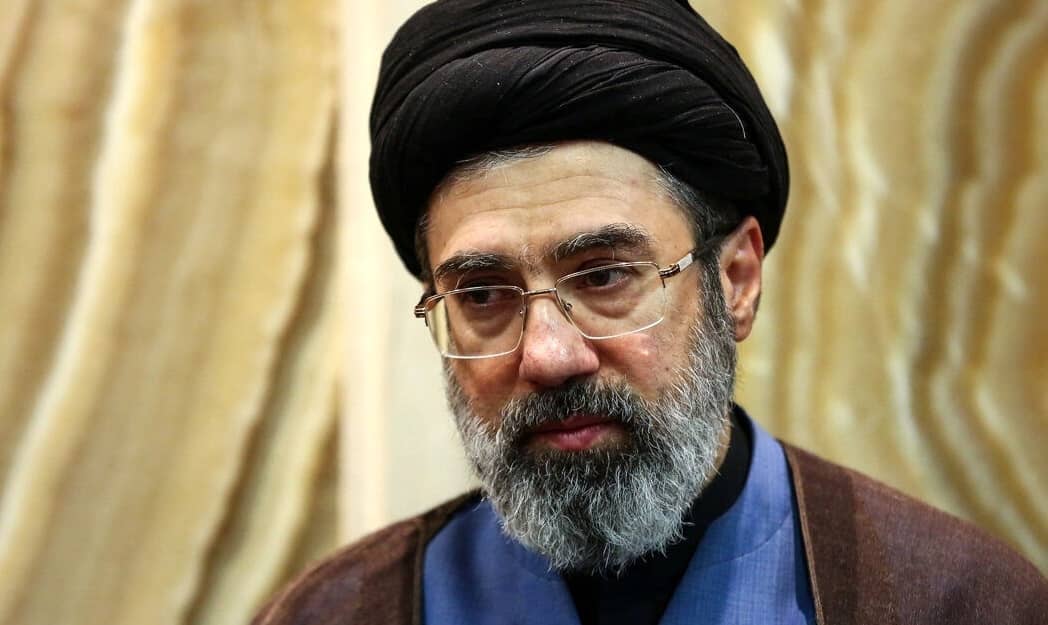
Iran is undergoing one of the most critical leadership transitions in its modern history. Following the death of long-time Supreme Leader Ali Khamenei, attention quickly shifted to who would lead the Islamic Republic next. Reports in early March 2026 indicate that Mojtaba Khamenei, the son of the late leader, has emerged as the most likely successor and may already have been chosen by the Assembly of Experts, the clerical body responsible for selecting Iran’s supreme leader.
This potential transition is controversial because it could make Iran’s leadership appear dynastic, something the Islamic Republic historically tried to avoid.
Who is Mojtaba Khamenei?
Mojtaba Hosseini Khamenei is an Iranian Shia cleric and political figure born on 8 September 1969 in Mashhad, Iran. He is the second son of former Supreme Leader Ali Khamenei.
Early Life and Education
Studied Islamic theology at the Qom Seminary, one of the most important religious institutions in Shia Islam.
Raised in a politically influential family during the period when his father was rising within Iran’s revolutionary leadership.
United Against Nuclear Iran
Military Background
Participated in the Iran–Iraq War (1980-1988) as a young volunteer fighter.
Later developed strong connections with Iran’s powerful security institutions, including the Islamic Revolutionary Guard Corps (IRGC).
His Role Behind the Scenes
Although Mojtaba rarely appeared in public politics, analysts say he was one of the most influential figures inside Iran’s leadership circle.
Influence in Government
Served as Deputy Chief of Staff in the Office of the Supreme Leader for political and security affairs.
Acted as a key gatekeeper controlling access to his father.
Security and Political Power
Maintained close relationships with the IRGC and conservative factions.
Was accused by critics of supporting the suppression of the 2009 Iranian protests through security forces.
Because of this influence, many analysts described him as the “shadow power” within the Iranian system long before the leadership transition.
Why He Became the Leading Successor
Several factors explain why Mojtaba Khamenei emerged as the leading candidate to replace his father.
1. Support from Hardline Factions
Iran’s conservative clerics and the IRGC reportedly see him as someone who will maintain the current ideological direction of the Islamic Republic.
Reuters
2. Deep Connections in the Security Establishment
His long-standing relationships with the Revolutionary Guards provide him strong backing within Iran’s military and intelligence structures.
FDD
3. Experience in the Supreme Leader’s Office
For decades he worked inside the leadership office, giving him direct knowledge of how Iran’s political system operates.